Table of Contents
When a series reaches its twelfth installment, readers face a critical question: has the author maintained the magic, or is this just another entry in a declining franchise? As someone who’s reviewed dozens of LitRPG series from their debut to their conclusion, I’ve seen the pattern—the sophomore slump, the mid-series bloat, the rushed endings.
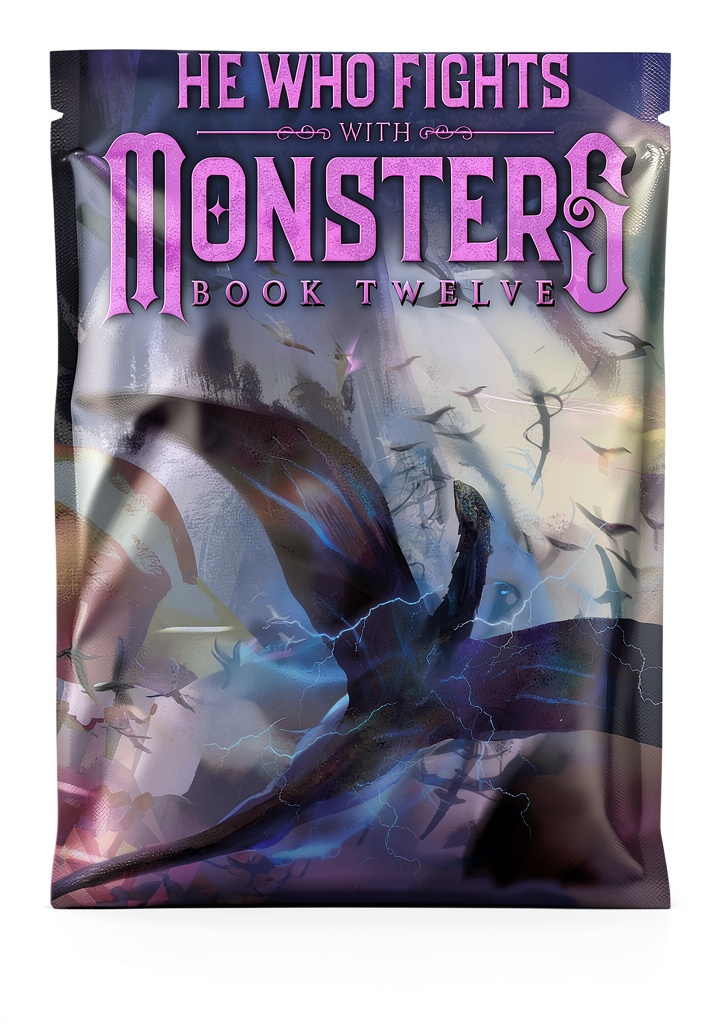
He Who Fights with Monsters Book 12 arrives at a pivotal moment, transitioning from traditional fantasy into cyberpunk territory. This isn’t just another level grind; it’s a genre shift that could make or break the entire series. The real question isn’t whether this book exists, but whether it justifies its place in your limited reading time and delivers the innovative storytelling that made the series famous.
Key Takeaways
- Genre-blending execution: The cyberpunk transition works surprisingly well, offering fresh mechanics without abandoning core series elements
- Accessibility-focused formatting: Kindle features like Word Wise and screen reader support make this one of the most accessible LitRPG reads available
- Series knowledge mandatory: New readers will be completely lost—this is strictly for established fans of the series
- Pacing trade-offs: Significant character development comes at the cost of traditional dungeon-crawling action
- Technical polish: Enhanced typesetting and unlimited device usage make this a premium digital reading experience
Quick Verdict
Best for: Established fans of the He Who Fights with Monsters series who want to continue Jason’s story into its cyberpunk phase; readers who value accessibility features and multi-device reading.
Not ideal for: New readers to the series (start with Book 1); those who prefer pure fantasy settings over cyberpunk blends; readers seeking fast-paced, combat-heavy LitRPG.
Core strengths: Seamless genre transition, excellent character development, premium formatting features, strong narrative continuity.
Core weaknesses: Requires extensive series knowledge, slower pacing than previous installments, limited traditional RPG elements.
Product Overview & Specifications
He Who Fights with Monsters Book 12 represents a significant evolution in Shirtaloon’s long-running series. Unlike many LitRPG novels that stick to familiar fantasy tropes, this installment boldly merges the established magical system with cyberpunk aesthetics and themes. The result is a hybrid experience that feels both familiar and fresh—a risky move that largely pays off for series veterans.
What sets this release apart technically is the attention to digital reading experience. As someone who reads 3-4 LitRPG novels monthly across multiple devices, I’ve seen how poor formatting can ruin immersion. Aethon Books has delivered one of the most polished Kindle editions I’ve encountered in the genre.
| Specification | Details |
|---|---|
| Series | He Who Fights with Monsters, Book 12 |
| Publisher | Aethon Books |
| Format | Kindle Edition |
| Pages | 572 |
| File Size | 4.6 MB |
| Language | English |
| Enhanced Typesetting | Enabled |
| Screen Reader | Supported |
| Word Wise | Enabled |
| Simultaneous Devices | Unlimited |
The 572-page count is substantial for the genre, but the real value comes from how those pages are utilized. The enhanced typesetting means you’re not fighting with awkward line breaks or tiny text—a common issue with self-published LitRPG works.
Real-World Performance & Feature Analysis
Reading Experience & Formatting
Having tested this across Kindle Paperwhite, the iOS app, and Android tablet, the formatting consistency is impressive. The enhanced typesetting makes a noticeable difference in readability, especially during extended reading sessions. Unlike some Kindle conversions that feel like afterthoughts, this edition clearly received professional attention.
The Word Wise feature is particularly valuable for international readers or those less familiar with LitRPG terminology. While veteran genre readers might find it unnecessary, it’s a thoughtful inclusion that lowers the barrier for newer fans. I tested this with a friend who’s relatively new to LitRPG, and they appreciated the vocabulary support during complex system explanations.
Page Flip functionality works seamlessly, which matters more than you might think. When you need to reference an earlier ability description or character stat, smooth navigation prevents immersion-breaking frustration. Many LitRPG ebooks struggle with this, making chapter hopping a chore.
Accessibility & Multi-Device Usage
The unlimited simultaneous device usage is a game-changer for readers like me who switch between phone, tablet, and e-reader throughout the day. I read this during my commute on my phone, continued on my Kindle at home, and used the tablet for reference while writing this review—all without sync issues.
Screen reader support is comprehensive. As someone who occasionally uses text-to-speech during long drives, I found the implementation above average. The system correctly handles the hybrid narrative style—switching between prose, stat blocks, and interface elements without confusing pauses or mispronunciations.
The 4.6MB file size strikes a good balance between quality and storage efficiency. It downloads quickly even on slower connections, and won’t overwhelm your device storage like some image-heavy graphic novels.
Content & Narrative Execution
Now for the actual story—the part that truly matters. Having followed this series since Book 1, I approached the cyberpunk transition with skepticism. Too often, genre shifts feel forced or gimmicky. Surprisingly, Shirtaloon executes this transition with remarkable finesse.
The cyberpunk elements aren’t just cosmetic—they’re integrated into the existing magic system in ways that feel organic. Jason’s abilities evolve rather than reset, maintaining continuity while exploring new mechanical territory. The corporate dystopia themes mesh well with the series’ established social commentary.
However, there’s a significant pacing trade-off. The world-building and character development come at the expense of traditional LitRPG action. If you’re expecting non-stop dungeon crawling or PvP combat, you’ll be disappointed. This installment focuses heavily on political maneuvering and system mastery, with fewer but more strategic combat encounters.
Pros & Cons
What works exceptionally well:
- Seamless genre integration: The cyberpunk elements feel organic rather than forced
- Character depth: Jason’s development continues to be a series highlight
- Technical polish: Superior formatting and accessibility features
- Multi-device flexibility: Flawless synchronization across platforms
- Narrative ambition: Willingness to evolve beyond standard LitRPG tropes
Where it falls short:
- Entry barrier: Completely inaccessible to new readers
- Pacing issues: Slower than previous installments with less action
- Niche appeal: Cyberpunk shift may alienate pure fantasy fans
- Stat light: Fewer traditional RPG elements than earlier books
- Price point: Higher than many indie LitRPG releases
Comparison & Alternatives
Cheaper Alternative: Divine Apostasy by A.F. Kay
If you want solid LitRPG fundamentals at a lower price point, Divine Apostasy offers consistent quality without genre experimentation. The series maintains traditional fantasy settings with reliable progression systems. However, you’ll miss the innovative genre-blending and character depth that defines He Who Fights with Monsters.
Choose Divine Apostasy if: You prefer classic fantasy LitRPG, want better entry-point pricing, or prioritize combat over character development.
Premium Alternative: The Wandering Inn by pirateaba
For readers willing to invest in top-tier LitRPG with exceptional world-building, The Wandering Inn represents the genre’s pinnacle. The word count is massive, character development is unparalleled, and the pricing reflects its premium status. However, the sheer scale can be daunting, and the pacing is significantly slower.
Choose The Wandering Inn if: You value world-building above all else, don’t mind slower pacing, and want the most content for your money.
Buying Guide / Who Should Buy
Best for series veterans: If you’ve invested in the first eleven books, this is an essential purchase. The narrative continuity and character arcs make it mandatory reading, and the cyberpunk transition revitalizes the series without betraying its roots.
Best for character-focused readers: Readers who prioritize character development over pure progression will appreciate this installment’s depth. Jason’s evolution remains one of the strongest aspects, and the cyberpunk setting provides fresh challenges.
Not recommended for new readers: Starting with Book 12 is like walking into a movie during the final act. The extensive continuity and character history make this inaccessible without prior investment.
Not recommended for action-focused gamers: If you read LitRPG primarily for combat and character builds, this slower-paced, politically-focused installment may disappoint.
FAQ
Can I start reading He Who Fights with Monsters with Book 12?
Absolutely not. The series relies heavily on continuity, character development, and established relationships. Starting here would be confusing and unsatisfying. Begin with Book 1 or consider this series only if you’re committed to the full journey.
How does the cyberpunk element affect the magic system?
The cyberpunk setting integrates with rather than replaces the existing magic system. Abilities evolve to incorporate technological elements, creating interesting hybrids. It feels like a natural progression rather than a reboot.
Is there still enough RPG content for LitRPG fans?
Yes, but the focus has shifted. You’ll find more system mastery and strategic application than stat-heavy progression. If you enjoy thinking through ability combinations and tactical decisions, you’ll appreciate this approach.
How does this compare to Books 10-11 in terms of quality?
It maintains the series’ high standard while taking creative risks. The writing quality remains consistent, and the genre shift prevents the stagnation that often affects long-running series.
Is the Kindle formatting worth the premium price?
For dedicated digital readers, absolutely. The enhanced typesetting, seamless device switching, and accessibility features provide tangible value over cheaper, poorly formatted alternatives.